Why Proper Ventilation Is Key to Stopping Mold Growth in Weddington
Weddington’s humid subtropical climate creates the perfect breeding ground for mold if moisture isn’t controlled. Proper ventilation disrupts that cycle by reducing humidity and improving airflow—critical steps to prevent costly mold remediation later. Our team sees it daily: stagnant air and trapped moisture lead to hidden growth in attics, crawl spaces, and basements.
How Humidity Fuels Mold in Weddington Homes
Mold thrives in environments with relative humidity above 60%. In our area, summer humidity often exceeds this, especially in poorly ventilated spaces like crawl spaces and attics.
Without airflow, moisture from the ground, leaks, or even daily activities (cooking, showering) lingers. This stagnation allows spores to settle, germinate, and spread across organic materials like wood, drywall, and insulation.
The Role of Ventilation in Mold Prevention
Ventilation removes moist air and replaces it with drier air, breaking the cycle of condensation and absorption that feeds mold. In attics, ridge vents and soffit vents create a natural flow that expels heat and humidity.
For crawl spaces, a sealed system with a dehumidifier and controlled ventilation often outperforms open vents, which can invite humid outdoor air. Basements benefit from exhaust fans and foundation vents, but these must be balanced to avoid negative pressure.
Weddington’s warm, humid summers demand proactive ventilation. Even newer homes in Marvin or Wesley Chapel can trap moisture if HVAC systems aren’t sized or maintained for our climate.
Common Ventilation Mistakes That Worsen Mold Risk
Closing off vents to save energy can backfire, trapping moisture in attics or crawl spaces. We’ve seen this in homes from Matthews to Waxhaw—what seems like a cost-saving measure often leads to mold remediation needs.
Another mistake: relying on open crawl space vents year-round. In winter, cold air can cause condensation on warm surfaces, while summer humidity floods the space. A hybrid approach with controlled ventilation and dehumidification is safer.
Ventilation Solutions by Problem Area
Attics need continuous airflow. Ridge vents paired with soffit vents create a passive system, but powered attic fans can help in larger homes or those with complex roof lines.
Crawl spaces often require encapsulation with a vapor barrier, plus a dehumidifier and minimal controlled ventilation. Basements may need exhaust fans, especially near laundry areas or bathrooms, to remove moisture at the source.
| Area | Best Ventilation Method | Key Consideration |
|---|---|---|
| Attic | Ridge + soffit vents or powered fans | Avoid mixing passive and powered systems without balancing |
| Crawl Space | Encapsulation + dehumidifier + limited vents | Seal ground with vapor barrier to block soil moisture |
| Basement | Exhaust fans + foundation vents | Monitor for backdrafting in tightly sealed homes |
| Bathroom/Kitchen | Externally vented exhaust fans | Run fans 20+ minutes after use to clear humidity |
When Ventilation Isn’t Enough: Signs You Need Mold Remediation
Persistent musty odors, visible mold growth, or water stains indicate ventilation alone won’t solve the problem. These signs often appear in hidden areas like behind drywall or under flooring.
Allergic reactions—sneezing, itchy eyes, or respiratory issues—can signal elevated spore levels. If you notice these, a professional mold inspection and air quality testing are critical next steps.
Black mold (Stachybotrys) and other toxic varieties can pose serious health risks. If you suspect extensive growth, avoid disturbing it and contact a remediation specialist immediately.
Balancing Ventilation with Moisture Control Systems
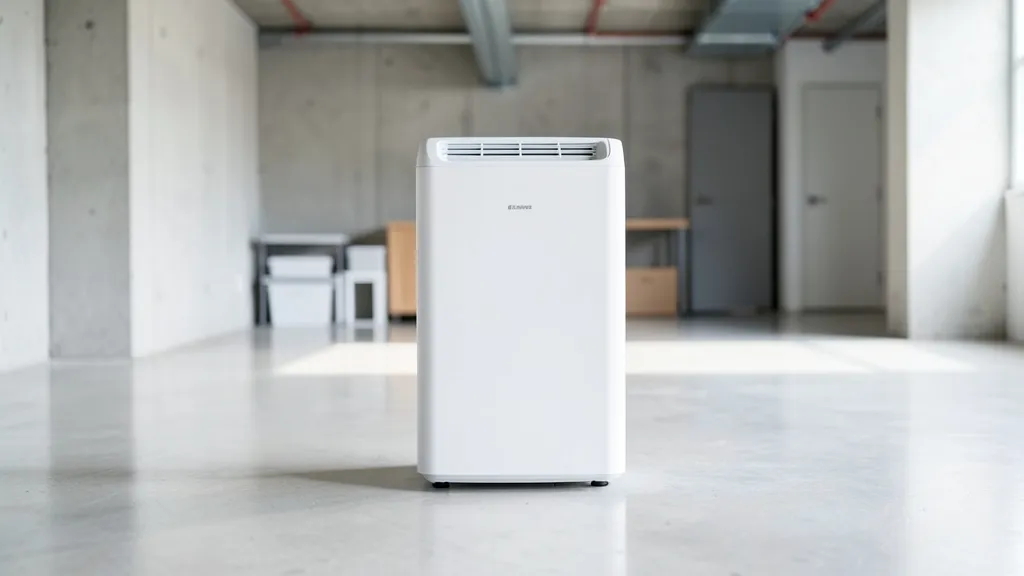
Dehumidifiers are essential in our climate, but they must be sized correctly for the space. A unit too small for a Weddington crawl space will run constantly without reducing humidity effectively.
HVAC systems also play a role. Ensure yours is properly sized and maintained, with clean filters and ductwork. Poorly designed systems can create hot or cold spots where condensation forms.
DIY vs. Professional Ventilation Upgrades
Homeowners can install bathroom exhaust fans or attic vents, but larger projects—like crawl space encapsulation or whole-house dehumidification—often require professional expertise. Improper installation can worsen moisture issues.
For commercial properties or multi-unit buildings in areas like Matthews, professional assessment is non-negotiable. These spaces have complex airflow dynamics and higher occupancy, increasing mold risks.
When to Call a Pro
- Mold covers 10+ square feet or is in HVAC systems
- You smell mold but can’t locate the source
- Moisture issues recur after DIY fixes
- The space has structural damage from water or mold
- You need air quality testing for peace of mind
How to Improve Ventilation to Prevent Mold
Start with these steps to reduce humidity and airflow issues in your home.
- 1Inspect for Existing Moisture
Check for water stains, condensation, or musty odors in attics, basements, and crawl spaces. Use a moisture meter to identify hidden issues in walls or subfloors.
- 2Upgrade Attic Ventilation
Ensure soffit vents are unblocked and add ridge vents or a powered attic fan if needed. Aim for at least 1 sq ft of vent area per 300 sq ft of attic space.
- 3Seal and Ventilate Crawl Spaces
Install a vapor barrier on the ground and consider encapsulation. Add a dehumidifier and minimal controlled ventilation to maintain humidity below 50%.
- 4Install Exhaust Fans
Add externally vented exhaust fans in bathrooms, kitchens, and laundry rooms. Run them for at least 20 minutes after activities that generate moisture.
- 5Monitor and Maintain
Use hygrometers to track humidity levels (keep below 60%). Clean gutters and downspouts to prevent water intrusion, and service HVAC systems annually.
Frequently Asked Questions
Can I just open windows to prevent mold in Weddington?
Opening windows helps, but it’s not enough in our humid climate. Outdoor air often carries high moisture, especially in summer. Controlled ventilation—like exhaust fans and dehumidifiers—is more effective for consistent humidity control.
How do I know if my attic ventilation is adequate?
Signs of poor attic ventilation include excessive heat in summer, ice dams in winter, or condensation on rafters. If you see mold on the underside of the roof or feel damp insulation, your ventilation likely needs an upgrade.
Is crawl space encapsulation worth it for mold prevention?
Yes, especially in Weddington’s climate. Encapsulation with a vapor barrier and dehumidifier creates a controlled environment, drastically reducing the risk of mold and structural damage. It’s a long-term solution that pays off in energy savings and air quality.
What’s the difference between mold removal and mold remediation?
Mold removal refers to cleaning visible mold, while remediation addresses the root cause—like moisture issues—and ensures spores don’t return. Remediation includes containment, HEPA filtration, and preventative measures like improved ventilation.
Can mold grow in my HVAC system?
Absolutely. Mold thrives in dark, damp ductwork, especially if your system has condensation issues or poor filtration. Regular HVAC maintenance, including duct cleaning and filter changes, helps prevent this. If you suspect mold in your system, professional air quality testing is recommended.
Do dehumidifiers prevent mold in basements?
Dehumidifiers help, but they’re most effective when paired with proper ventilation and moisture barriers. In basements, exhaust fans and sealing cracks in the foundation are also critical to keep humidity in check.