Understanding the Science Behind Mold and Mildew Growth Patterns in Weddington
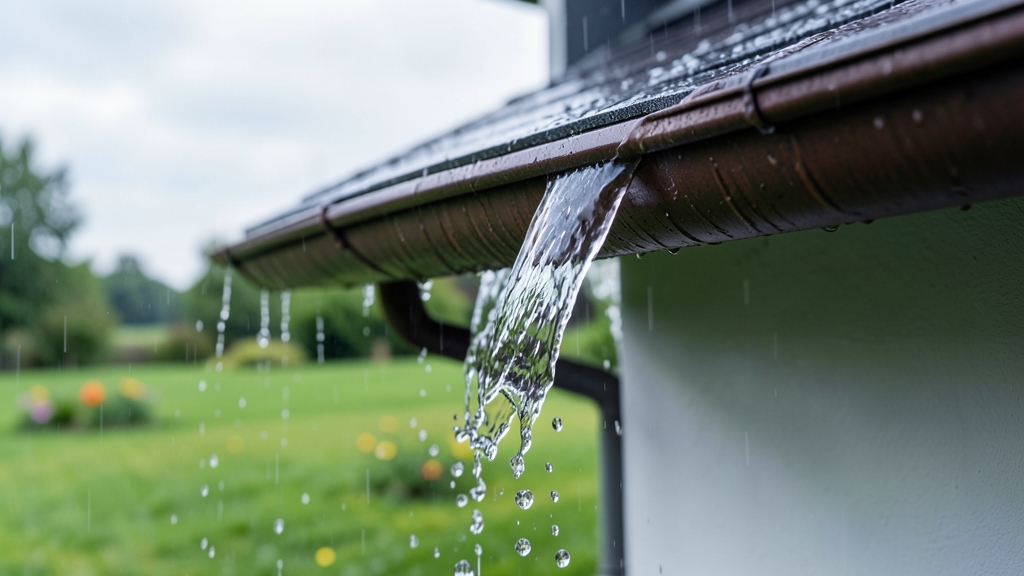
Mold and mildew aren’t just unsightly—they’re a sign of deeper moisture issues in your home. Understanding how and why they grow helps you stop them before they spread.
How Mold and Mildew Develop
Mold and mildew thrive in damp, dark, and poorly ventilated spaces. They reproduce through microscopic spores that float through the air, landing on surfaces where conditions are right.
The Role of Moisture
Moisture is the primary driver. Leaks, high humidity, or condensation create the perfect environment. In our region, warm summers and occasional heavy rains can push humidity levels higher, especially in basements, crawl spaces, and attics.
Organic Materials as Food Sources
Mold feeds on organic materials like wood, drywall, carpet, and insulation. The more porous the material, the easier it is for mold to take hold and spread.
Common Growth Patterns in Local Homes
Different areas of your home present unique risks based on their structure and exposure.
Crawl Spaces and Basements
These areas are prone to moisture buildup due to poor ventilation and proximity to the ground. Standing water or damp soil can lead to persistent mold issues, often hidden from view until the problem becomes severe.
Attics
Improper ventilation or roof leaks can trap moisture in attics, promoting mold growth on wood framing or insulation. This is especially common after heavy storms or in older homes with aging roofing systems.
Bathrooms and Kitchens
High humidity from showers, cooking, and poor ventilation creates ideal conditions for mildew on walls, ceilings, and grout. Without proper airflow, these areas can develop mold quickly.
HVAC Systems
Mold can grow inside ductwork or on coils if moisture is present. This not only spreads spores throughout your home but can also impact air quality, leading to health concerns.
Why Weddington’s Climate Matters
Our humid subtropical climate means warm, moist air is a constant factor. Seasonal changes, like wet springs or humid summers, can exacerbate moisture issues, particularly in homes without proper drainage or ventilation.
Neighboring areas like Waxhaw, Marvin, and Matthews share similar conditions, making moisture control a year-round priority for homeowners.
The Difference Between Mold and Mildew
While often used interchangeably, mold and mildew have distinct characteristics.
Mildew
Mildew is a surface-level fungus, typically white or gray, and easier to clean with household products. It’s common on shower walls, windowsills, and other damp surfaces.
Mold
Mold penetrates deeper into materials, often appearing black, green, or brown. It can cause structural damage and health issues, requiring professional remediation to fully remove.
Health Risks and Structural Damage
Exposure to mold can trigger allergies, respiratory issues, and other health problems, especially for sensitive individuals. Over time, unchecked mold can weaken wood, drywall, and other structural components, leading to costly repairs.
Prevention and Early Detection
Preventing mold starts with controlling moisture. Simple steps like using dehumidifiers, fixing leaks promptly, and improving ventilation can make a big difference.
Regular Inspections
Scheduling a mold inspection or air quality testing can help catch issues early, especially in high-risk areas like crawl spaces, basements, and attics. If you suspect water damage or notice musty odors, it’s worth investigating further.
Professional Remediation
For existing mold problems, professional mold removal and remediation ensure thorough cleanup and prevention of regrowth. This is particularly important for large or hidden infestations, where DIY methods may fall short.
When to Call in the Experts
If you see visible mold, smell a persistent musty odor, or have experienced water damage, it’s time to act. Our team specializes in mold inspection, testing, and remediation, as well as water damage restoration to address the root cause.
We also serve nearby communities like Wesley Chapel and Matthews, helping homeowners protect their properties from mold and moisture issues.
Take the Next Step
Mold and mildew don’t have to be a permanent problem. By understanding their growth patterns and addressing moisture at the source, you can keep your home safe and healthy.
Request a free quote today to assess your home’s risk and discuss solutions tailored to your needs.