How to Maintain Indoor Air Quality After Mold Remediation in Weddington
Mold remediation is only the first step—keeping your indoor air clean afterward is what protects your home and health long-term. In our humid North Carolina climate, mold spores can linger or return if moisture and airflow aren’t controlled. We’ve helped homeowners in Weddington and nearby areas like Waxhaw and Marvin keep their air safe after remediation, and these are the key strategies we recommend.
Why Post-Remediation Air Quality Matters
Even after professional mold removal, microscopic spores can remain dormant in your home. Without proper maintenance, they can reactivate and spread, especially in areas prone to dampness like basements, crawl spaces, or attics. Poor indoor air quality can trigger allergies, respiratory issues, and even structural damage over time.
The Role of Humidity in Mold Recurrence
Our region’s warm, humid weather—especially in summer and early fall—creates the perfect conditions for mold growth. Indoor humidity above 60% significantly increases the risk. After remediation, monitoring and controlling moisture levels is critical to preventing regrowth in spaces like crawl spaces or basements.
Immediate Steps After Remediation
Run Air Purifiers with HEPA Filters
HEPA air purifiers capture mold spores, dust, and other particles that standard filters miss. Place them in high-risk areas like bedrooms, basements, or near the HVAC return to maximize air cleaning. For larger homes in Weddington or Matthews, consider multiple units for full coverage.
Inspect and Clean Air Ducts
Mold spores can hide in your HVAC system and recirculate throughout your home. After remediation, have your air ducts inspected and cleaned if necessary. This is especially important if mold was found near vents or in attics, where ductwork often runs.
Long-Term Strategies for Clean Air
Control Humidity with Dehumidifiers
A dehumidifier is your best defense against mold in our climate. Aim to keep indoor humidity between 30% and 50%. For crawl spaces, a dedicated crawl space dehumidifier or encapsulation system can prevent moisture buildup that leads to mold.
Improve Ventilation
Proper airflow reduces moisture and prevents stale air. Use exhaust fans in kitchens and bathrooms, and ensure attics and crawl spaces are well-ventilated. In older homes common in Wesley Chapel or Marvin, we often see poor attic ventilation—upgrading soffit or ridge vents can make a big difference.
Seal and Protect Vulnerable Areas
Crawl spaces and basements are prime targets for mold. Installing a vapor barrier or encapsulating your crawl space blocks moisture from the ground. For basements, waterproofing and sump pumps can prevent water intrusion that fuels mold growth.
Monitor and Maintain Your HVAC System
Replace Filters Regularly
HVAC filters trap mold spores, dust, and allergens. Replace them every 1-3 months, or more often if you have pets or allergies. High-efficiency filters (MERV 8-13) are ideal for post-remediation air quality.
Schedule HVAC Maintenance
A well-maintained HVAC system circulates clean air and reduces moisture. Have a professional inspect and service your system annually, especially before the humid summer months. This includes checking for leaks, cleaning coils, and ensuring proper drainage.
Preventative Measures for Every Season
Spring and Summer: Combat Humidity
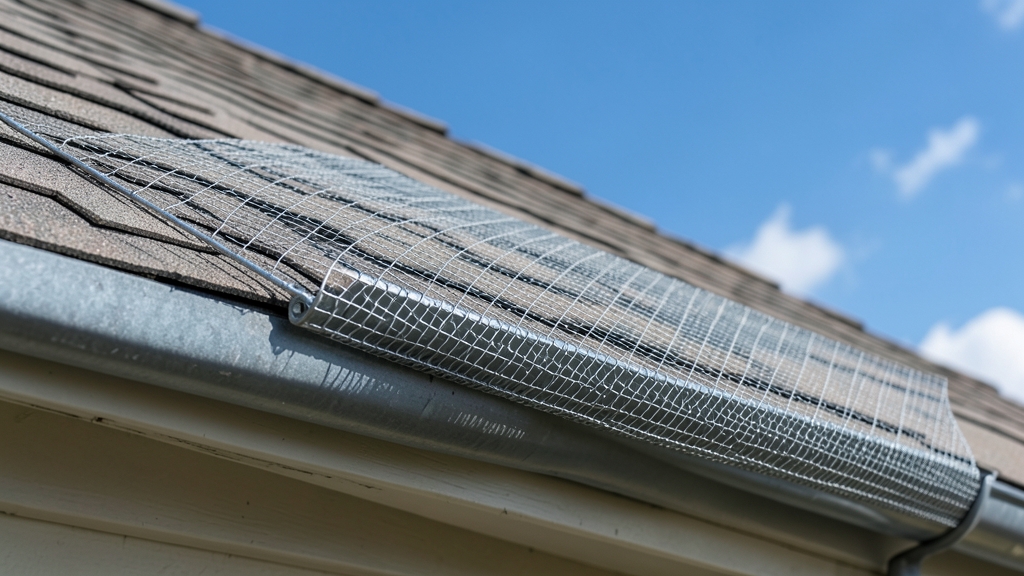
Our springs and summers bring high humidity and frequent rain. Use dehumidifiers, run bathroom and kitchen fans, and keep gutters clean to prevent water from seeping into your home. In Weddington, homes near wooded areas or creeks may need extra attention to drainage.
Fall and Winter: Watch for Condensation
Cooler temperatures can lead to condensation on windows, pipes, or in attics. Wipe up moisture promptly, and consider adding insulation to prevent cold surfaces where condensation forms. Attic mold remediation is common in the winter when poor ventilation traps moisture.
Signs Your Air Quality Needs Attention
Even with precautions, issues can arise. Be on the lookout for:
- Musty odors, especially in basements or crawl spaces
- Visible mold spots on walls, ceilings, or around windows
- Increased allergy symptoms or respiratory issues
- Peeling paint or wallpaper, which can indicate moisture problems
If you notice these signs, a mold inspection or air quality test can identify hidden issues before they worsen.
Professional Support for Lasting Results
While DIY steps help, some situations require expert intervention. For example, if mold returns in your crawl space, professional crawl space mold remediation and encapsulation may be needed. Similarly, commercial properties or large homes in areas like Matthews often benefit from comprehensive air quality testing and tailored solutions.
We also offer mold prevention and moisture control services to address the root causes of mold growth. This includes everything from installing dehumidifiers to repairing water damage that could lead to future issues.
Keep Your Air Clean and Safe
Maintaining indoor air quality after mold remediation is about consistency. By controlling humidity, improving ventilation, and monitoring your home, you can enjoy a healthier living environment. If you’re unsure where to start or need a professional assessment, request a free quote—we’ll help you create a plan tailored to your home’s needs.