The Most Effective Drying Techniques for Mold Prevention in Weddington
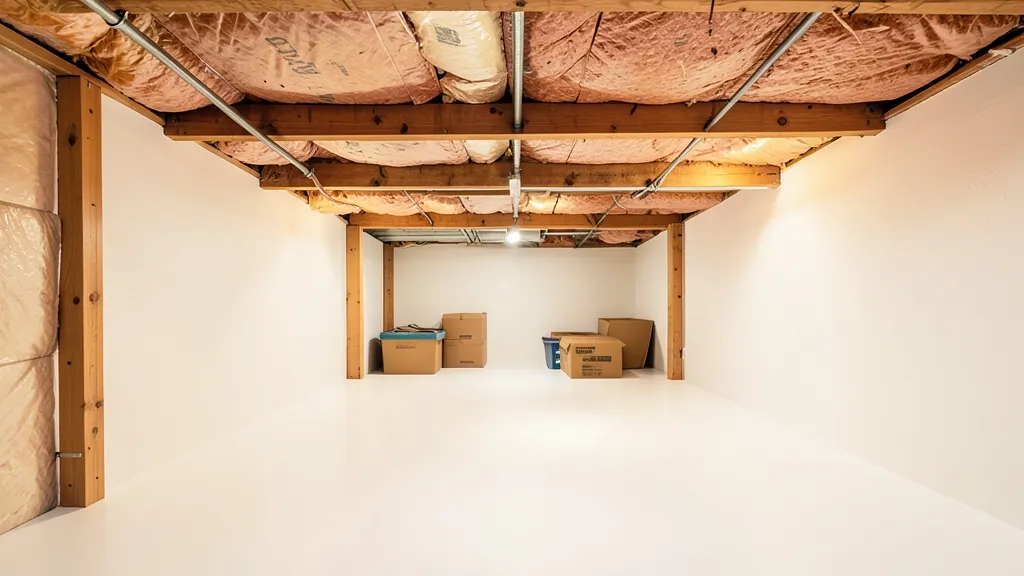
In Weddington’s humid climate, excess moisture lingers long after leaks or spills—creating the perfect breeding ground for mold. We’ve seen firsthand how proper drying techniques can stop spores in their tracks before they take root in drywall, crawl spaces, or attics. The key is acting fast with the right methods for your home’s unique conditions.
Why Drying Speed Matters in Mold Prevention
Mold spores begin colonizing within 24–48 hours of water exposure. In Weddington’s warm, humid summers, that window shrinks even faster. The longer materials stay wet, the deeper spores penetrate into wood, drywall, and insulation.
Structural drying isn’t just about surface moisture. Hidden pockets in wall cavities or under flooring can sustain growth long after the visible water is gone. That’s why we use moisture meters to track progress deep below the surface.
Essential Drying Equipment for Weddington Homes
Industrial-grade air movers create high-velocity airflow to evaporate moisture from surfaces. We position them at 45-degree angles to walls for maximum efficiency, rotating them every few hours to prevent hot spots.
Dehumidifiers pull moisture from the air, but not all are equal. In our area’s humid conditions, we rely on low-grain refrigerant (LGR) or desiccant models to maintain relative humidity below 50%—critical for preventing regrowth.
For confined spaces like crawl spaces in Marvin or basements in Matthews, we often add axial fans or negative air machines to vent humid air outside. These areas trap moisture, especially after heavy rains common in Union County.
Structural Drying: Techniques for Different Materials
Porous materials like drywall and carpet absorb moisture quickly. We use a combination of air movement and dehumidification to dry them in place when possible. Severely damaged materials, however, may require removal to prevent hidden mold.
Hardwood floors and subflooring need careful monitoring. Too much heat or airflow can cause warping or cracking. We use specialized floor drying systems with mats that pull moisture upward without damaging the finish.
In attics, where heat builds up in Weddington summers, we focus on ventilation. Ridge vents, soffit vents, and attic fans help expel moist air. Without proper airflow, condensation on the underside of roof decks can lead to widespread attic mold.
| Material | Drying Method | Key Consideration |
|---|---|---|
| Drywall | Air movers + dehumidifiers | Monitor for swelling or delamination; may need cutouts for hidden moisture |
| Hardwood Floors | Floor drying mats + dehumidifiers | Avoid excessive heat to prevent warping |
| Carpet/Pad | Air movers + extraction (if wet) | Pad often requires removal if saturated |
| Concrete/Block | Dehumidifiers + fans | Slow process; may need weeks for full drying |
| Fiberglass Insulation | Replacement usually required | Holds moisture and loses R-value when wet |
Crawl Space and Basement Drying Challenges
Weddington’s clay soil and seasonal rains make crawl spaces and basements prime targets for moisture. Without a vapor barrier, ground moisture seeps upward, creating a constant source of humidity.
We often recommend crawl space encapsulation for homes in Waxhaw and Wesley Chapel. A 20-mil vapor barrier, sealed seams, and a dehumidifier can transform a damp crawl space into a dry, controlled environment.
For basements, interior French drains and sump pumps may be necessary to manage groundwater. Even with these systems, a dedicated dehumidifier is essential to keep humidity in check year-round.
Plastic sheeting taped to walls or floors won’t stop moisture long-term. Improper sealing can trap humidity against wood framing, accelerating rot and mold growth. Always consult a professional for encapsulation.
The Role of HVAC in Moisture Control
Your HVAC system can be a powerful ally—or a hidden enemy—in mold prevention. In Weddington’s humid climate, oversized AC units short-cycle, failing to remove enough moisture from the air.
We recommend upgrading to a properly sized system with a high SEER rating and variable-speed blower. Adding a whole-house dehumidifier to your HVAC can maintain consistent humidity levels, even in shoulder seasons when AC isn’t running often.
Don’t overlook ductwork. Leaky or uninsulated ducts in attics or crawl spaces can introduce humid air into your home. Sealing and insulating ducts improves efficiency and reduces moisture risks.
Monitoring and Validating Drying Progress
Moisture meters are our go-to tool for tracking progress. We use pin-type meters for wood and drywall, and non-penetrating meters for surfaces like tile or concrete. Readings are taken at consistent depths to ensure accuracy.
Psychrometers measure both temperature and relative humidity, allowing us to calculate the dew point. If the dew point is too high, condensation can form on surfaces—even if the air feels dry.
Drying is complete only when moisture levels in materials match pre-loss conditions or industry standards. For wood, that’s typically 12–15%; for drywall, below 1%. We document all readings for your records.
Invest in a quality hygrometer for your home. Keep indoor humidity between 30–50% year-round. If levels spike after rain or high outdoor humidity, run a dehumidifier or AC to bring it back down.
When to Call a Professional for Mold Remediation
If drying efforts don’t bring moisture levels down within 72 hours, or if you notice musty odors, visible mold, or health symptoms, it’s time to call in experts. We’ve seen DIY attempts in Weddington homes that spread spores or mask problems without solving them.
Professional mold remediation goes beyond drying. We contain affected areas with barriers and negative air pressure, use HEPA filtration to capture spores, and apply antimicrobial treatments to prevent regrowth.
For commercial properties or large-scale water damage, like a burst pipe affecting multiple floors, our team coordinates with water damage restoration specialists in Matthews and Marvin to ensure a seamless, thorough response.
Signs You Need Professional Mold Remediation
- Moisture levels remain high after 72 hours of drying
- Visible mold growth on walls, ceilings, or floors
- Musty or earthy odors that persist after cleaning
- Unexplained health issues like allergies or respiratory problems
- Water damage covering more than 10 square feet
- Mold in HVAC systems or ductwork
How to Dry a Water-Damaged Room in 48 Hours
Act fast to prevent mold growth with these proven steps.
- 1Extract Standing Water
Use a wet/dry vacuum or pump to remove all visible water. For large areas, consider professional water extraction services to ensure thorough removal.
- 2Promote Airflow
Position air movers around the room, aiming at walls and furniture. Open windows if outdoor humidity is lower than indoors. Rotate fans every 4–6 hours.
- 3Dehumidify the Space
Place a high-capacity dehumidifier in the room and set it to maintain humidity below 50%. Empty the tank regularly or use a model with a drain hose.
- 4Remove Wet Materials
Cut out and discard saturated drywall, insulation, or carpet pad. These materials often can’t be fully dried and may harbor mold spores.
- 5Monitor Moisture Levels
Use a moisture meter to check walls, floors, and furniture daily. Continue drying until all materials reach safe moisture content levels.
- 6Inspect for Hidden Moisture
Check behind baseboards, under flooring, and inside wall cavities. Thermal imaging cameras can help identify hidden pockets of moisture.
Frequently Asked Questions
How long does it take to dry a house after water damage in Weddington’s climate?
Drying times vary based on the extent of damage, materials affected, and humidity levels. In our area’s humid conditions, a typical room may take 3–5 days with professional equipment. Severe cases, like saturated crawl spaces or basements, can take weeks. The key is consistent airflow and dehumidification.
Can I use a regular fan to dry water damage?
Household fans can help with surface drying, but they lack the power and precision of industrial air movers. For anything beyond minor spills, we recommend high-velocity air movers and commercial-grade dehumidifiers to ensure thorough drying and prevent mold growth.
What’s the difference between mold remediation and mold removal?
Mold removal refers to physically eliminating visible mold. Remediation, however, is a comprehensive process that includes containment, removal, cleaning, and preventing regrowth. In Weddington homes, remediation often involves addressing the moisture source—like a leaky pipe or poor ventilation—to ensure mold doesn’t return.
Does homeowners insurance cover mold remediation in North Carolina?
Coverage varies by policy. Most standard policies cover mold remediation if it’s a result of a covered peril, like a burst pipe. However, they often exclude mold caused by long-term humidity or neglect. We recommend reviewing your policy and documenting the cause of water damage thoroughly. For a clear answer, request a quote from your insurer.
How can I prevent mold in my Weddington home’s crawl space?
Start with a vapor barrier to block ground moisture. Ensure proper grading around your home’s foundation to direct water away. Install a crawl space dehumidifier and consider encapsulation for a sealed, controlled environment. Regular inspections for leaks or condensation are also critical.
Is bleach effective for killing mold?
Bleach can kill surface mold on non-porous materials like tile or glass, but it’s not effective on porous surfaces like drywall or wood. The chlorine in bleach doesn’t penetrate deep enough to kill roots, and the water content can actually feed mold growth. For porous materials, we use specialized antimicrobial treatments.