Compliance-First Mold Remediation for Government Buildings in Weddington
Government buildings in Weddington demand a higher standard for mold remediation—strict compliance, minimal disruption, and long-term protection. Our team specializes in meeting these exacting requirements, ensuring public spaces remain safe, functional, and code-compliant.
Why Government Buildings Require Specialized Mold Remediation
Public facilities face unique challenges: high occupancy, sensitive populations, and stringent regulations. Mold in these spaces isn’t just unsightly—it’s a liability.
EPA and OSHA guidelines mandate precise protocols for remediation in public structures. We follow these to the letter, from containment to clearance testing.
Key Regulations for Mold Remediation in Public Buildings
North Carolina adheres to EPA’s *Mold Remediation in Schools and Commercial Buildings* guidelines. These apply to government facilities, too, with added emphasis on documentation.
Local health departments may impose additional requirements for Weddington and surrounding areas like Waxhaw or Matthews. We stay updated to avoid costly oversights.
| Regulation | Scope | Key Requirement |
|---|---|---|
| EPA Guidelines | National | Containment, PPE, and clearance testing |
| OSHA Standards | Worker Safety | Respirator use, hazard communication |
| NC DHHS | State/Local | Documentation and public notification protocols |
Common Mold Hotspots in Government Facilities
Crawl spaces and basements are prime culprits due to poor ventilation and moisture buildup. Weddington’s humid climate exacerbates these issues, especially after heavy rains.
Attics and HVAC systems often harbor hidden mold. Left unchecked, spores spread rapidly through ductwork, affecting air quality in offices, courts, or public meeting rooms.
Our Step-by-Step Compliance-Focused Process
We begin with a thorough mold inspection and air quality testing to identify species and spore counts. This data drives our remediation plan and ensures we meet regulatory thresholds.
Containment is non-negotiable. We use negative air pressure and physical barriers to prevent cross-contamination during removal.
Government projects require meticulous records. We provide pre- and post-remediation reports, photos, and lab results for full transparency.
Minimizing Disruption in Active Government Buildings
Public buildings can’t afford lengthy closures. We schedule remediation during off-hours or in phases to keep facilities operational in Weddington, Marvin, or Wesley Chapel.
For large-scale projects, we coordinate with facility managers to isolate work zones, ensuring staff and visitors remain safe and unaffected.
Preventing Recurrence: Moisture Control and Long-Term Solutions
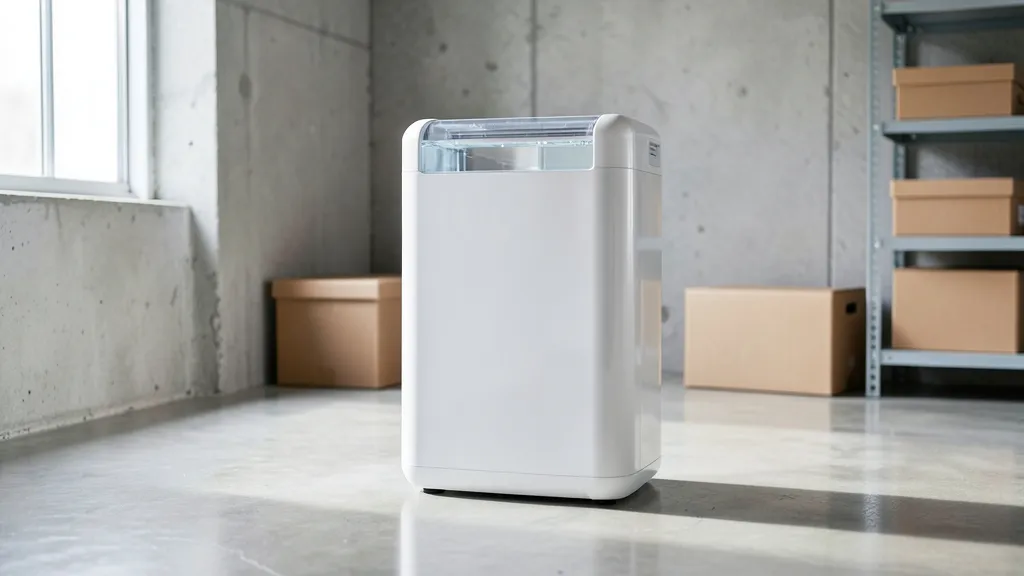
Mold returns without addressing the root cause: moisture. We install dehumidifiers, improve drainage, and seal leaks in crawl spaces, basements, and attics.
Regular mold prevention inspections help catch issues early. Proactive moisture control is far cheaper than repeated remediation.
Monitor humidity levels year-round. Weddington’s summer humidity often spikes above 60%—ideal for mold growth. Keep it below 50% to stay ahead.
Why Choose a Local Expert for Weddington Government Projects
We know the local climate, building codes, and common architectural vulnerabilities in Weddington and nearby areas like Matthews. Out-of-town crews often overlook regional nuances.
Our team holds certifications in commercial mold remediation and water damage restoration, with experience in schools, courthouses, and municipal buildings.
What to Verify Before Hiring a Remediation Team
- Certifications (e.g., IICRC, EPA Lead-Safe)
- Experience with government/public buildings
- Compliance with NC and local regulations
- Clearance testing and post-remediation verification
- Full documentation and reporting capabilities
Clearance Testing: The Final Compliance Hurdle
Remediation isn’t complete until clearance testing confirms success. We use third-party labs to analyze air and surface samples, ensuring spore counts meet EPA standards.
This step is critical for government buildings. Without it, you risk reopening a facility that’s still unsafe—or worse, failing a health department inspection.
Some contractors cut corners here. For public buildings, skipping this step can void compliance and expose you to liability.
How to Prepare Your Government Building for Mold Remediation
Proper preparation ensures a smooth, compliant remediation process.
- 1Conduct a Pre-Remediation Inspection
Identify the extent of mold growth and moisture sources. This step informs containment strategies and project scope.
- 2Notify Occupants and Stakeholders
Communicate timelines, affected areas, and safety protocols. Transparency builds trust and avoids disruptions.
- 3Secure Sensitive Areas
Remove or cover documents, electronics, and furniture in the work zone. Use plastic sheeting for added protection.
- 4Set Up Containment
Seal off the remediation area with barriers and negative air pressure to prevent spore migration to clean zones.
- 5Verify Contractor Credentials
Ensure your remediation team has the proper certifications, insurance, and experience with public buildings.
Frequently Asked Questions
How long does mold remediation take for a government building in Weddington?
Timelines vary based on the size of the infestation and the building’s layout. Small, contained areas may take 1–3 days, while large or complex projects (e.g., HVAC contamination) can take 1–2 weeks. We provide a detailed estimate after inspection.
What certifications should a mold remediation company have for public buildings?
Look for IICRC (Institute of Inspection, Cleaning and Restoration Certification) in mold remediation, EPA Lead-Safe certification, and OSHA compliance training. Experience with government or commercial projects is also critical.
Is mold remediation in government buildings more expensive?
Costs are driven by factors like square footage, mold type, and the need for containment or structural repairs. Government projects often require additional documentation and testing, which can add to the expense. Request a quote for an accurate estimate.
Can mold return after remediation in a Weddington government building?
Yes, if moisture issues aren’t addressed. We include moisture control solutions—like dehumidifiers or improved ventilation—in our remediation plans to prevent recurrence. Regular inspections help catch new growth early.
Do you handle mold remediation for schools or courthouses in nearby areas like Waxhaw or Marvin?
Yes. Our team has experience with a variety of public buildings, including schools, courthouses, and municipal offices in Weddington, Waxhaw, Marvin, and Wesley Chapel. Each project follows the same compliance-focused approach.
What’s the difference between mold removal and mold remediation?
Mold removal simply eliminates visible mold, while remediation addresses the root cause (e.g., moisture) and ensures spores are contained and removed safely. Remediation includes testing, containment, and prevention—critical for government compliance.